Community Stabilization & Drought Resilience Project – Mudug Region
Total Money Required: - $ 861,525.00
Summary
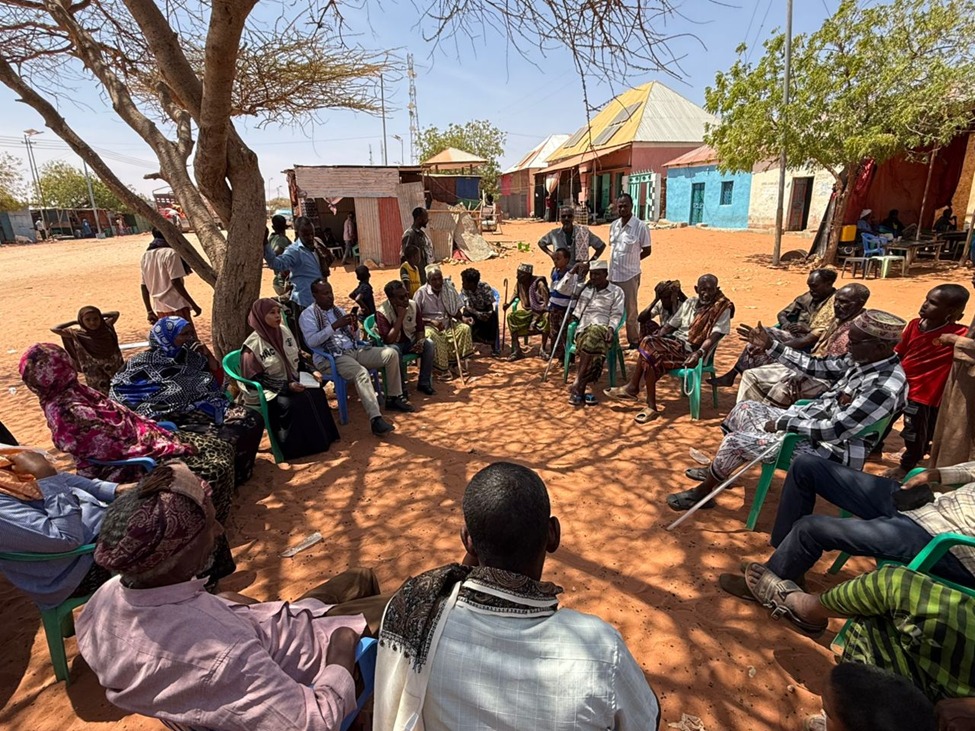
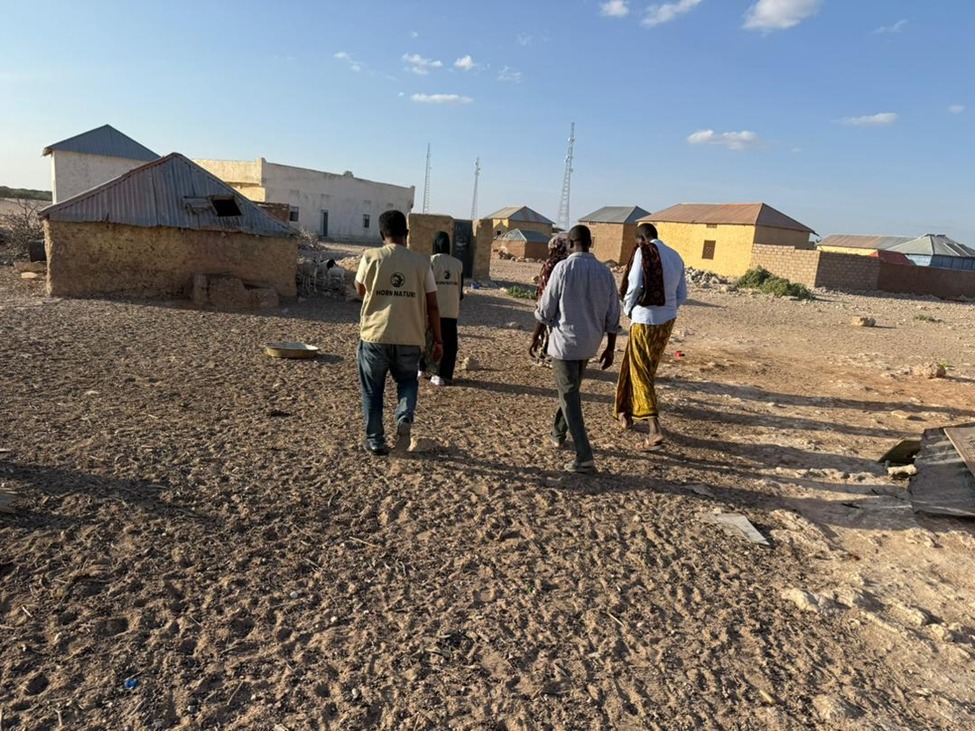
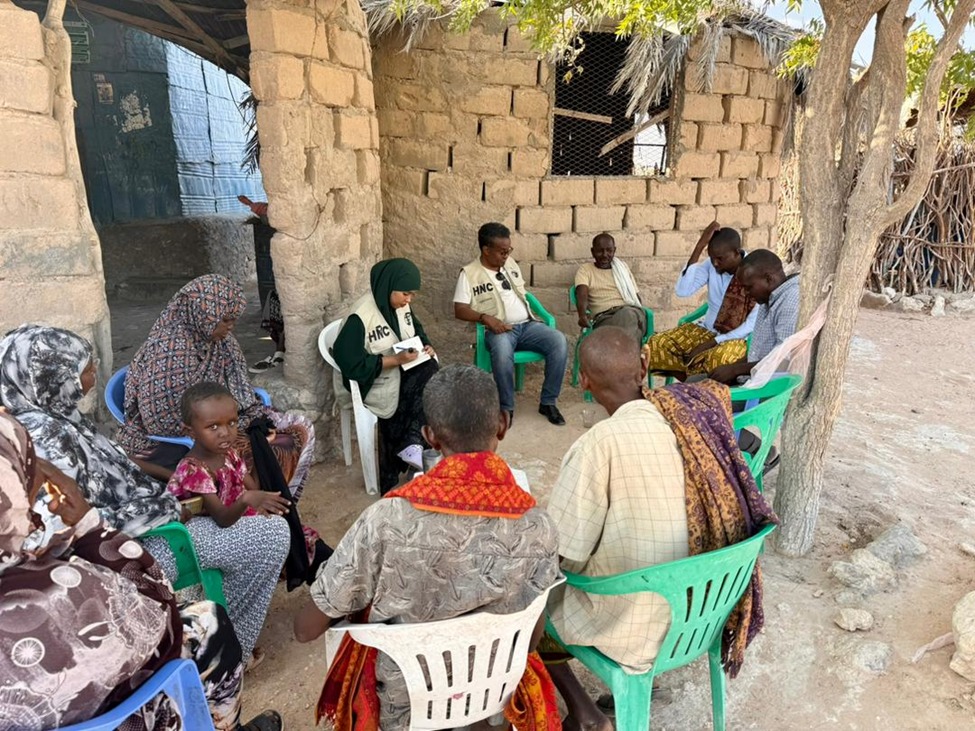
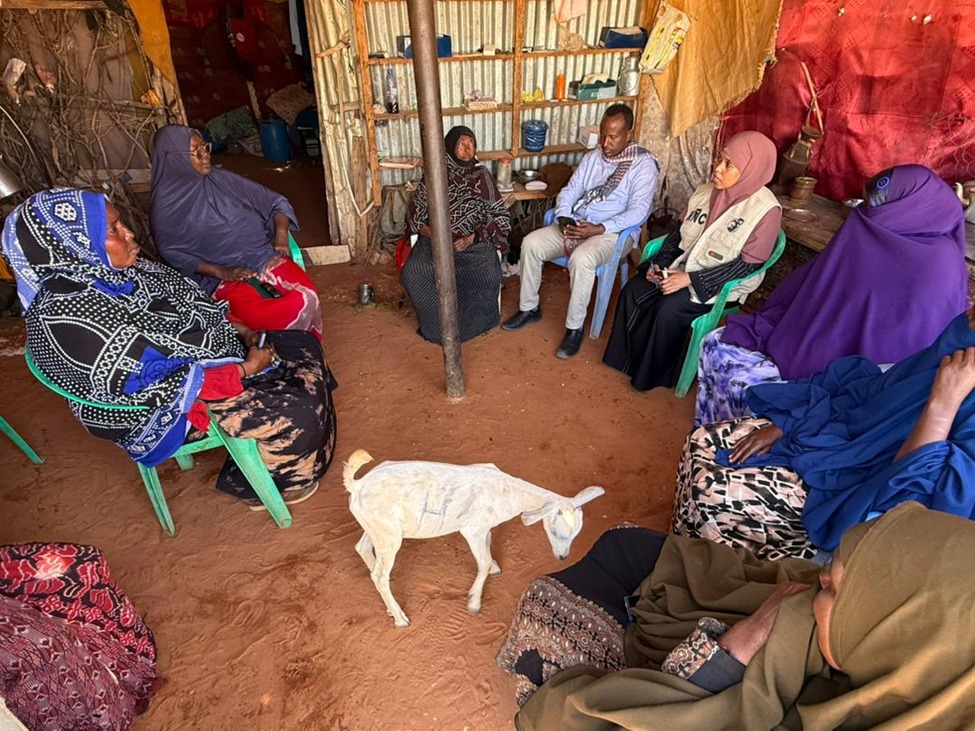
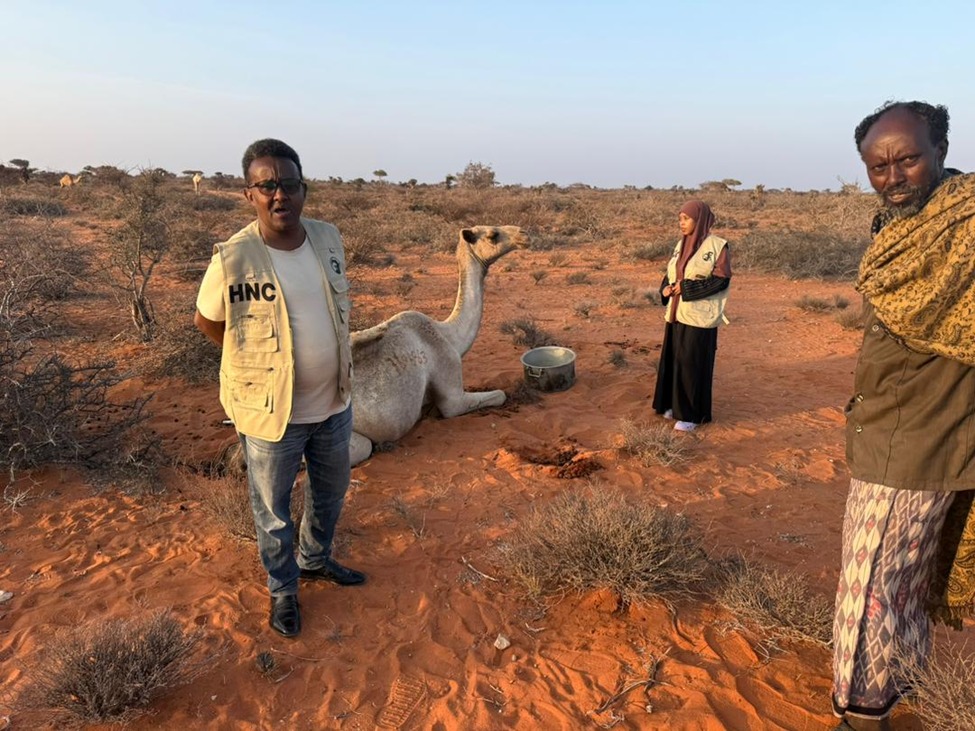
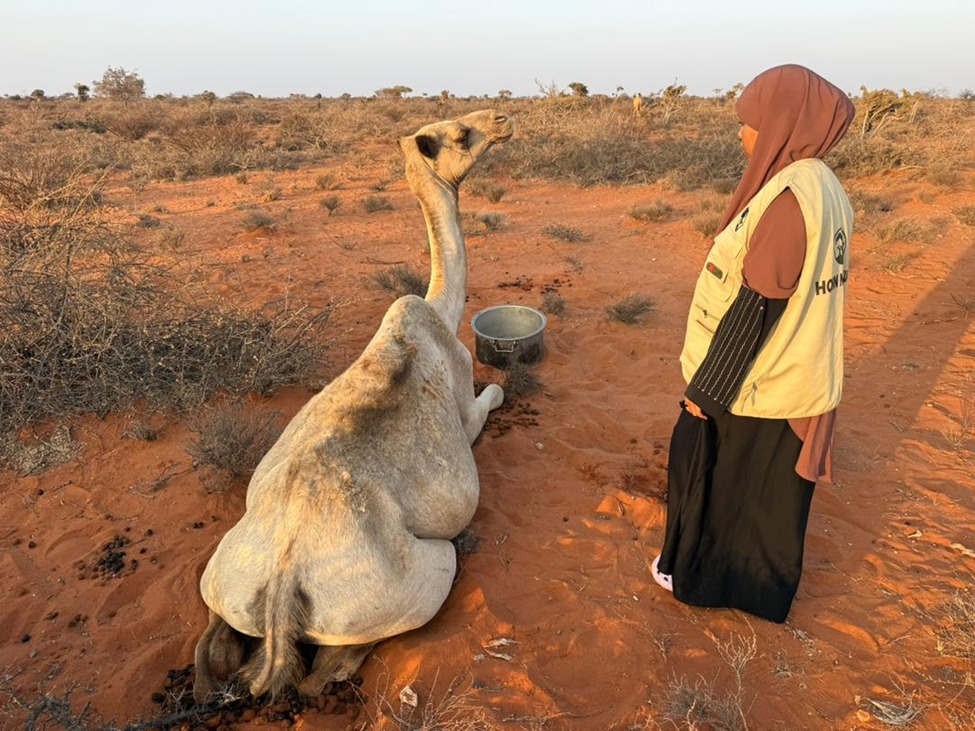
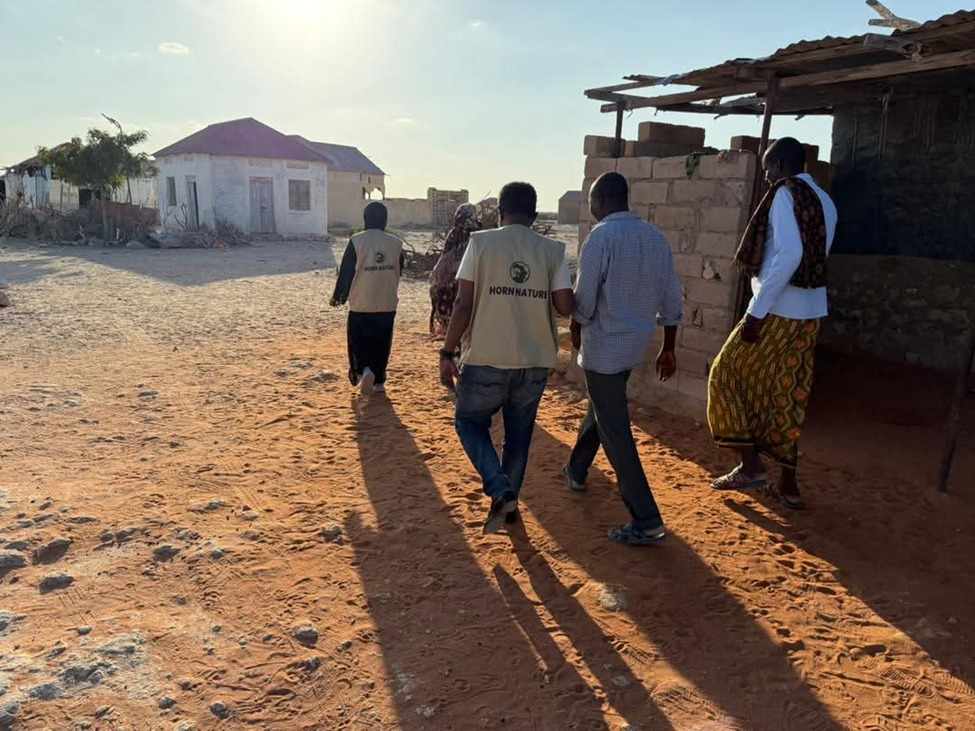
This project provides immediate life-saving drought assistance to 400 vulnerable pastoral and agro-pastoral households in Godod, Gacnofale, and Balibusle located in East Galkacyo, Somalia. After three consecutive failed rainy seasons, water sources have dried up, livestock are dying, food insecurity is worsening, and malnutrition cases are rising.
The intervention includes emergency distribution of animal fodder, water trucking, cash transfers for food security, health and nutrition support, and temporary teacher stipends to prevent school collapse. The project aims to stabilize livelihoods, prevent further livestock mortality, reduce malnutrition, and protect vulnerable families from total economic collapse.
Challenge
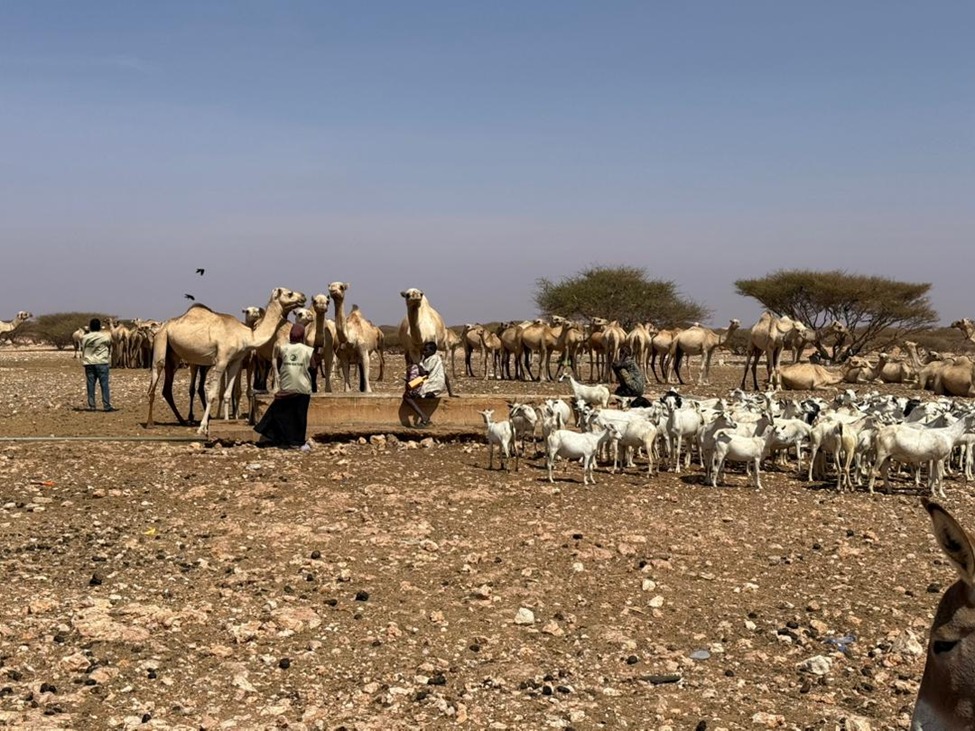
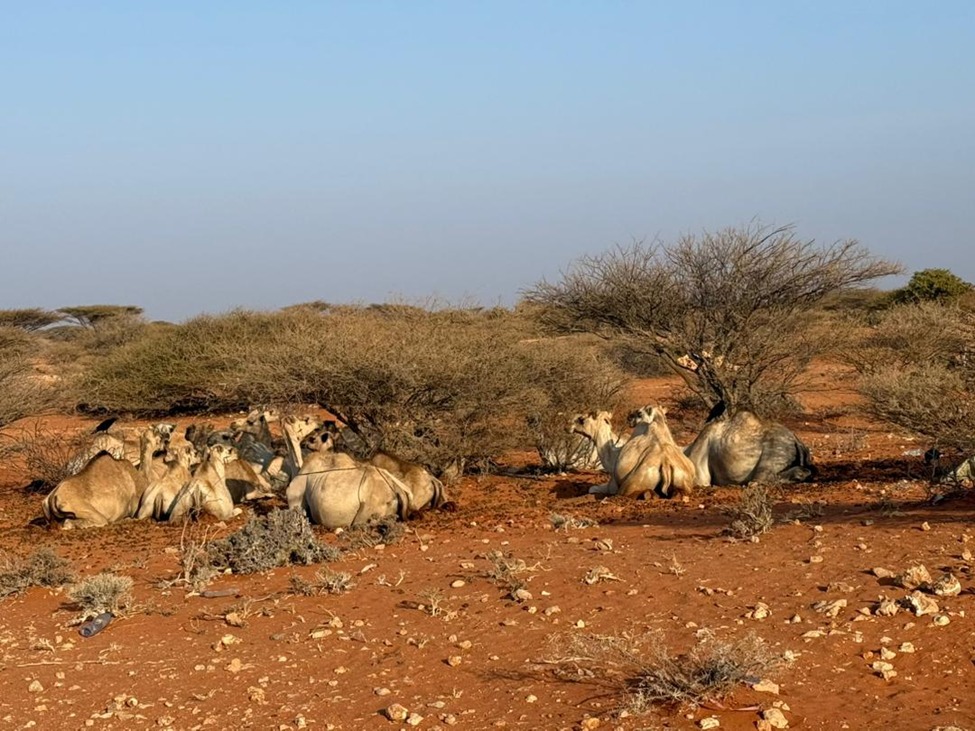
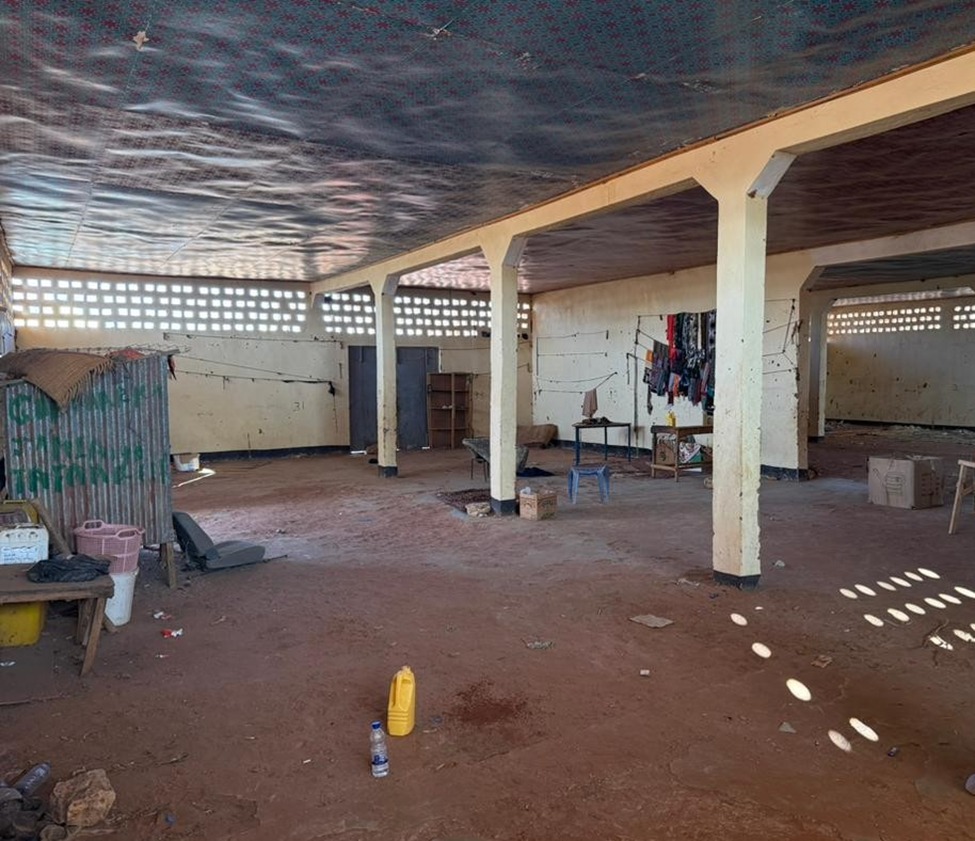
Communities in Godod, Gacnofale, and Balibusle are facing a severe humanitarian crisis following three consecutive failed rainy seasons. Water reservoirs (berkads) have completely dried up, shallow wells are depleted, and boreholes are operating under extreme pressure with reduced yield. Livestock, which represent the primary source of livelihood and nutrition for pastoral families, are severely emaciated and dying due to a lack of pasture and water. Agricultural production has declined significantly, local markets have contracted or closed, and household purchasing power has collapsed. As milk production has nearly ceased, malnutrition among children and pregnant and lactating women is rising. Families are increasingly relying on debt to access food and water, while schools are experiencing high dropout rates due to economic hardship. Approximately 400 households are directly affected, and without immediate intervention, irreversible loss of livelihoods and deepening vulnerability are likely.
Solution
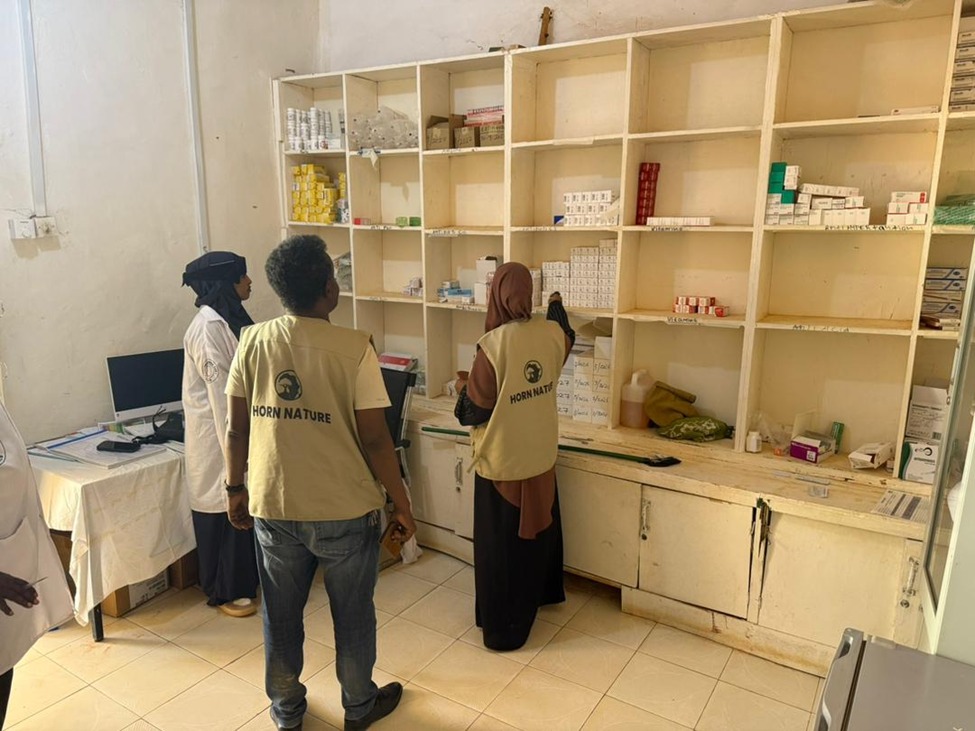
This project provides an integrated emergency response designed to stabilize vulnerable households and prevent further deterioration. The intervention includes large-scale distribution of animal fodder to protect remaining livestock assets and restore milk production capacity. Emergency water trucking will ensure access to safe drinking water for the most vulnerable households, while unconditional cash transfers will enable families to purchase food and meet urgent basic needs with dignity. A targeted health and nutrition package will address rising malnutrition and prevent disease outbreaks through the provision of therapeutic foods, essential medicines, and emergency medical supplies. Additionally, temporary teacher stipends will support school continuity and prevent further dropout during the crisis period. Together, these interventions address immediate survival needs while protecting the core livelihood assets that determine long-term recovery potential.
Long-Term Impact
By preventing livestock collapse, reducing malnutrition, stabilizing household food access, and maintaining education continuity, this intervention safeguards the foundation of community resilience. Protecting livestock today prevents long-term impoverishment and enables faster recovery once rainfall improves. Supporting food security reduces negative coping mechanisms such as asset liquidation and debt accumulation. Ensuring that children remain in school preserves future human capital and reduces the intergenerational impact of crisis. Ultimately, this project contributes to strengthening climate resilience, preserving livelihoods, and preventing deeper humanitarian deterioration in a region already vulnerable to environmental shocks. The intervention creates a bridge from emergency relief toward sustainable recovery and long-term stability.