

Climate Resilience: Building Stronger Communities and Sustainable Futures
By HNC Administrator
Climate resilience helps communities prepare for climate change, protect livelihoods, strengthen infrastructure, and build a safer and more sustainable future.
Climate Resilience: Building Stronger Communities and Sustainable Futures
Introduction
Climate Resilience is becoming increasingly important as communities around the world face the growing effects of climate change. Rising temperatures, changing rainfall patterns, floods, droughts, storms, and other environmental changes can affect food production, water supplies, livelihoods, homes, and local economies. Therefore, communities need practical ways to prepare for these challenges and recover when climate related events occur.
Climate resilience means the ability of individuals, communities, ecosystems, and institutions to prepare for climate related challenges, respond effectively, and recover while continuing to develop in a sustainable way.
Moreover, building resilience is not only about responding to disasters. It is also about planning ahead, protecting natural resources, improving infrastructure, supporting local livelihoods, and giving communities the knowledge and resources they need to adapt.
What Is Climate Resilience?
Climate Resilience refers to the ability to withstand, adapt to, and recover from the impacts of climate change. A resilient community understands its environmental risks and takes steps to reduce potential damage.
For example, a community facing frequent flooding may improve drainage systems, restore wetlands, protect natural water channels, and develop emergency plans. Similarly, areas affected by drought can focus on water conservation, climate smart agriculture, and sustainable land management.
As a result, resilience helps communities become better prepared instead of simply reacting after a climate related crisis.
Why Climate Resilience Matters
Climate related challenges can affect almost every part of daily life. Agriculture depends on predictable weather conditions, while communities need reliable water, energy, transportation, and housing.
Therefore, investing in climate resilience can help reduce long term risks.
Protecting Communities
Strong infrastructure and effective disaster preparedness systems can help protect people and property from floods, storms, heatwaves, and other climate related hazards.
Supporting Sustainable Livelihoods
Many families depend on agriculture, livestock, fishing, small businesses, and natural resources. Climate resilience strategies can help protect these livelihoods by encouraging diversification, sustainable resource use, and better adaptation practices.
Strengthening Food Security
Changing weather patterns can make food production more difficult. Climate smart farming methods, improved soil management, water conservation, and resilient crops can help communities maintain agricultural productivity.
Protecting Natural Resources
Healthy forests, wetlands, soils, rivers, and other ecosystems can provide important protection against climate risks. Consequently, environmental conservation is an essential part of building resilience.
Building Climate Resilient Communities
Building a resilient community requires cooperation between individuals, local organizations, governments, businesses, and environmental groups.
1. Improve Local Infrastructure
Infrastructure should be designed to withstand changing environmental conditions. Strong drainage systems, durable roads, safe buildings, reliable water systems, and resilient energy networks can reduce the effects of climate related events.
In addition, communities can identify vulnerable areas and prioritize improvements where risks are highest.
2. Promote Climate Smart Agriculture
Agriculture is particularly sensitive to climate change. Farmers can improve resilience by using water efficient irrigation, protecting soil, diversifying crops, improving soil health, and selecting crop varieties that are better suited to changing conditions.
Furthermore, better agricultural planning can help farmers reduce losses while supporting sustainable food production.
3. Protect and Restore Ecosystems
Nature can play a powerful role in climate adaptation. Trees can help reduce soil erosion and provide shade, while wetlands can absorb excess water during heavy rainfall.
Therefore, restoring forests, wetlands, grasslands, and other natural ecosystems can strengthen both environmental and community resilience.
4. Increase Community Awareness
People cannot prepare for climate risks if they do not understand them. Community education can help individuals learn about early warning systems, emergency preparation, water conservation, sustainable agriculture, and environmental protection.
Moreover, local knowledge can be combined with scientific information to create practical solutions that fit community needs.
The Role of Technology in Climate Resilience
Technology can support communities as they respond to changing environmental conditions. Weather forecasting, satellite monitoring, digital communication, and data based planning can provide valuable information.
For instance, early warning systems can notify communities about approaching floods, storms, or extreme weather. Similarly, digital agricultural tools can help farmers monitor weather conditions and make better decisions about planting and irrigation.
However, technology works best when communities have access to the necessary infrastructure, training, and information.
Building Sustainable Development
Climate resilience and sustainable development are closely connected. A community cannot achieve long term development if climate related disasters repeatedly destroy infrastructure, livelihoods, natural resources, and economic opportunities.
Consequently, resilience should be included in development planning from the beginning.
Sustainable development can support resilience by promoting responsible resource management, renewable solutions, efficient water use, environmental conservation, and inclusive economic opportunities.
In this way, climate resilience can help communities build a future that is both safer and more sustainable.
The Importance of Community Participation
Community participation is one of the most important elements of successful resilience planning. Local people understand their surroundings, challenges, resources, and priorities.
Therefore, they should be involved in identifying risks and designing solutions.
When communities participate in planning, projects are more likely to reflect local needs. In addition, cooperation can build trust and encourage people to take responsibility for protecting their environment and supporting one another during difficult situations.
Challenges to Building Climate Resilience
Although climate resilience offers many benefits, communities may face several challenges.
Limited financial resources can make it difficult to improve infrastructure or introduce new technologies. Lack of awareness can also prevent people from adopting sustainable practices.
Furthermore, vulnerable communities may have fewer resources to recover after disasters. For this reason, climate resilience planning should focus not only on environmental risks but also on social and economic challenges.
Access to education, finance, technology, and essential services can help communities develop stronger adaptive capacity.
A Sustainable Future Through Adaptation
Building a sustainable future requires long term thinking. Instead of waiting for climate related problems to become severe, communities can prepare today.
Small actions can contribute to larger change. Planting and protecting trees, conserving water, improving agricultural practices, reducing environmental damage, strengthening local infrastructure, and sharing climate knowledge can all contribute to resilience.
At the same time, larger institutions can support communities through effective policies, investment, research, training, and disaster preparedness programs.
Ultimately, Climate Resilience is about creating communities that are prepared for change while continuing to protect people, livelihoods, and the environment.
Conclusion
Climate change presents serious challenges, but stronger and more prepared communities can reduce many of the risks associated with it. Climate Resilience provides a practical approach by helping communities prepare for climate impacts, adapt to changing conditions, recover from disasters, and continue moving toward sustainable development.
By improving infrastructure, supporting climate smart agriculture, protecting ecosystems, using technology, increasing awareness, and encouraging community participation, societies can build stronger foundations for the future.
Most importantly, resilience is a shared responsibility. When individuals, communities, organizations, and institutions work together, they can create solutions that protect both present and future generations. Building climate resilience today can therefore help create stronger communities and more sustainable futures tomorrow.
Frequently Asked Questions
What is Climate Resilience?
Climate Resilience is the ability of people, communities, ecosystems, and institutions to prepare for, adapt to, and recover from the impacts of climate change.
Why is Climate Resilience important?
It helps communities reduce climate related risks, protect livelihoods and infrastructure, improve preparedness, and support sustainable development.
How can communities build Climate Resilience?
Communities can improve resilience through stronger infrastructure, climate smart agriculture, ecosystem restoration, water conservation, early warning systems, education, and community participation.
What role does agriculture play in Climate Resilience?
Agriculture can become more resilient through water efficient practices, crop diversification, soil conservation, climate smart farming techniques, and better adaptation planning.
Can technology support Climate Resilience?
Yes. Weather forecasting, early warning systems, satellite monitoring, digital communication, and data based planning can help communities understand risks and respond more effectively.
How does Climate Resilience support sustainable development?
Climate resilience helps protect infrastructure, natural resources, livelihoods, and economic progress from climate related disruptions, making long term development more sustainable.
Watch on YouTube
Field updates and community stories from Horn Nature Conservation.
Watch Horn Nature Conservation on YouTube for field updates and community stories.
Open YouTube Channelhttps://www.youtube.com/@Hornnature1
Related Articles
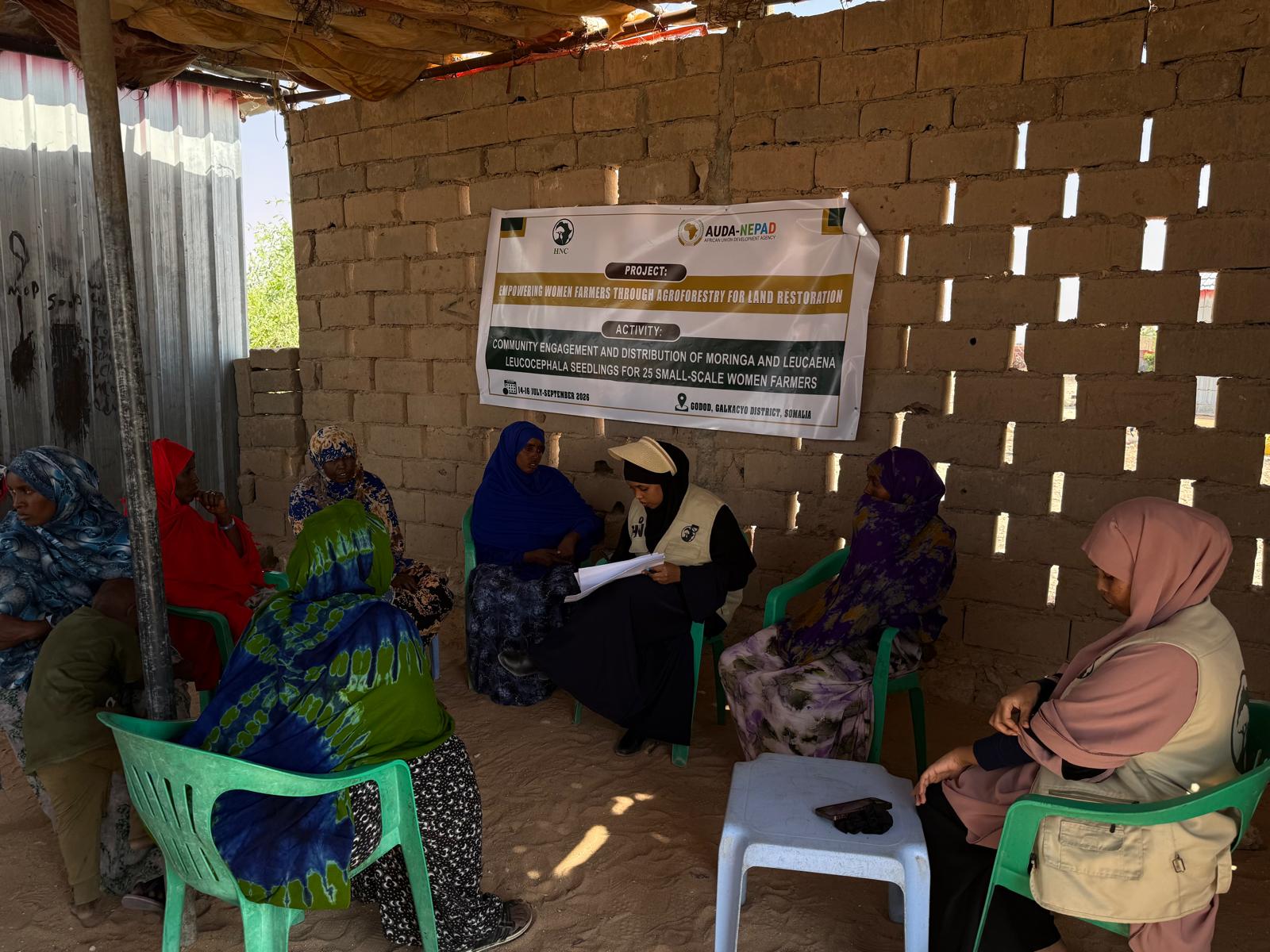
Horn Nature Conservation Distributes 500 Agroforestry Seedlings to Women Farmers in Galkacyo to Advance Landscape Restoration
HNC, with the Ministry of Environment and Climate Change of Puntland and AUDA-NEPAD AFR100 support, distributed 500 Moringa and Le...
Read more
How to Reduce Water Waste in Agriculture: Practical Strategies
Learn how to reduce water waste in agriculture with practical strategies including drip irrigation, soil moisture monitoring, mulc...
Read more
Water Conservation Methods in Agriculture: 10 Effective Ways to Save Water
Discover 10 practical water conservation methods in agriculture, from drip irrigation to rainwater harvesting, to cut water waste,...
Read more