

Research and Partnership: Building Knowledge for Sustainable Development
By HNC Administrator
Discover how research, partnerships, community knowledge, and collaboration can support environmental protection, biodiversity conservation, community development, and long-term sustainable development
Research and Partnership: Building Knowledge for Sustainable Development
Introduction to Research and Partnership
Research and partnership play an important role in finding practical solutions to environmental and community challenges.Sustainable development requires long-term thinking because environmental and social problems can develop over many years. Therefore, reliable research provides useful knowledge, while partnerships connect researchers, communities, organizations, and other stakeholders.
Moreover, working together can support environmental protection, biodiversity conservation, community development, and responsible use of natural resources. When research findings are connected with local experience, organizations can develop solutions that are more practical and relevant to community needs.
What Is Research and Partnership?
Research and partnership means combining evidence, knowledge, skills, and cooperation to address environmental and social challenges. Research helps identify problems and understand their causes. Meanwhile, partnerships allow different groups to share resources, experience, and ideas.
For example, research may identify changes in biodiversity, water availability, land conditions, or natural resources. At the same time, local communities can add information based on their everyday experience.
As a result, combining scientific findings with local knowledge can improve conservation and development planning. Furthermore, this approach gives organizations opportunities to learn from one another, avoid repeated work, and create more effective solutions.
Importance of Environmental Research and Partnership
Environmental research provides important information about ecosystems, natural resources, biodiversity, and environmental changes. Therefore, reliable information helps organizations understand environmental problems and identify suitable responses.
For example, research may examine wildlife, water resources, land degradation, ecosystem health, climate impacts, or local environmental needs. In addition, regular monitoring can show how conditions change over time and help organizations respond to new challenges.
Partnerships make environmental research more useful by connecting researchers with communities and organizations that can apply the findings. Consequently, research results can support conservation programs, environmental education, resource management, and community activities.
Overall, better research and stronger cooperation can support responsible management of natural resources.
Building Strong Research Partnerships
Research partnerships bring people and organizations together to share expertise, knowledge, funding, and resources. Universities, researchers, government institutions, NGOs, conservation organizations, private organizations, and local communities can all contribute.
Each partner may provide a different type of support. For instance, researchers can offer scientific expertise, while communities can contribute local experience and traditional knowledge. In addition, organizations may support fieldwork, data collection, training, communication, or project implementation.
Clear goals and regular communication are important for successful partnerships. Moreover, sharing existing research can reduce duplication and help partners build on previous findings.
Over time, strong cooperation can create opportunities for learning, innovation, and long-term environmental work.
Community Based Research and Partnership
Community based research gives local people an active role in understanding and addressing issues that affect their environment and livelihoods. In many areas, people have detailed knowledge of local conditions because they experience environmental changes directly.
For example, their observations can reveal changes in rainfall, vegetation, wildlife, water availability, agriculture, and natural resources. Researchers can then collect this information through interviews, surveys, field observations, community meetings, and participatory discussions.
Furthermore, local participation can build trust and improve communication between researchers and communities. When community concerns are considered from the beginning, projects can better reflect actual needs and conditions.
As a result, community based research can create stronger connections between scientific knowledge and local experience.
Conservation Research for Sustainable Development
Conservation research focuses on species, habitats, ecosystems, and biodiversity. Its findings can help organizations identify environmental threats and develop suitable conservation strategies.
Healthy ecosystems provide benefits such as clean water, fertile soil, pollination, food resources, and natural protection from environmental pressures. However, habitat loss, pollution, resource pressure, and climate change can place ecosystems under stress.
Therefore, research can examine species distribution, habitat conditions, ecosystem changes, and conservation activities. At the same time, communities depend on healthy ecosystems for farming, fishing, tourism, and other livelihoods.
For this reason, protecting biodiversity can support both environmental goals and sustainable community development.
Sustainable Development Research and Partnerships
Sustainable development research examines how environmental protection, social wellbeing, and economic development can work together. Although protecting natural resources is important, communities also need opportunities to improve their livelihoods.
Research may cover sustainable agriculture, food security, sustainable livelihoods, community resilience, natural resource management, environmental education, and local economic opportunities. In addition, such research can help identify practical approaches for balancing environmental and community needs.
Long-term thinking matters because decisions made today can affect future generations. Therefore, partnerships allow different stakeholders to contribute their knowledge and experience when developing sustainable solutions.
By combining research with cooperation, organizations can address environmental concerns while supporting community wellbeing.
Research and Collaboration for Community Development
Research and collaboration can strengthen community development by connecting evidence with local priorities. For example, a research project may identify challenges related to water, agriculture, land use, education, or livelihood opportunities.
Community members can then share their experiences and help identify realistic responses. Moreover, workshops, training sessions, community meetings, and practical demonstrations can turn research findings into useful knowledge.
Early collaboration allows different perspectives to influence research questions and possible solutions. As a result, findings may become easier to apply in real situations.
Furthermore, active participation can help communities become partners in sustainable development rather than only recipients of development activities.
Environmental Partnerships and Community Development
Environmental partnerships connect researchers, communities, organizations, government institutions, and other stakeholders around shared environmental goals. These partnerships can combine technical expertise, funding, local knowledge, and practical experience.
In addition, community development partnerships may focus on sustainable agriculture, livelihood development, environmental education, community resilience, and natural resource management.
Connecting environmental protection with community development can create stronger links between ecological and social goals. Therefore, shared objectives can help organizations coordinate activities and use resources more effectively.
As a result, environmental partnerships can support both environmental responsibility and community wellbeing.
Turning Research and Partnership Into Practical Action
Research becomes more valuable when its findings are used in real situations. Therefore, organizations need to focus on collecting reliable information and applying that knowledge effectively.
A practical process can follow these stages:
Research → Analysis → Community Consultation → Planning → Action → Monitoring → Improvement
First, the process begins by identifying a problem and collecting relevant information. Next, analysis helps researchers understand the findings and consider possible responses. After that, community consultation provides local perspectives before an action plan is developed.
Once activities begin, monitoring helps organizations measure progress and identify areas that need improvement. Consequently, this creates a continuous learning process instead of treating every project as a one-time activity.
Knowledge Sharing Through Research Partnerships
Knowledge sharing is an important part of effective research partnerships. Useful findings should be accessible to communities, organizations, researchers, and other groups that may benefit from them.
For example, information can be shared through reports, workshops, training programs, community meetings, educational materials, conferences, and digital platforms. In this way, different communication methods can make research easier for various audiences to understand.
Furthermore, accessible knowledge allows organizations and communities to learn from previous experiences. Successful approaches can then be adapted to new situations, while lessons from unsuccessful activities can help improve future projects.
In addition, knowledge sharing can strengthen partnerships by helping participants understand each other's findings, challenges, and experiences.
Creating a Sustainable Future Through Research and Partnership
Creating a sustainable future requires long-term commitment, continuous learning, and cooperation. Environmental research can identify emerging challenges, while community based research keeps local knowledge within decision making.
Meanwhile, conservation research contributes to biodiversity protection, and sustainable development research connects environmental goals with social and economic needs. Strong research partnerships can bring these areas together.
Moreover, community involvement provides an important perspective because local people understand how environmental changes affect their daily lives and livelihoods. Combining scientific evidence with community knowledge can therefore support practical approaches to sustainable development.
Ultimately, research and partnership can create meaningful pathways toward a sustainable future when knowledge is connected with action and communities are included as active participants.
Conclusion: The Value of Research and Partnership
Research and partnership provide an important foundation for building knowledge and supporting sustainable development. Environmental research helps organizations understand ecosystems, natural resources, biodiversity, and environmental challenges.
Furthermore, research partnerships bring together expertise, experience, and resources. Their combined efforts can support conservation, community development, environmental education, and responsible resource management.
Community based research ensures that local knowledge is included in development activities. Meanwhile, conservation research contributes to biodiversity protection, while sustainable development research connects environmental responsibility with social and economic needs.
In addition, knowledge sharing can transform research findings into practical action. When researchers, organizations, and communities work together, they can learn from one another and develop solutions connected to local needs.
Finally, continuous learning, responsible resource management, and meaningful cooperation can help communities and organizations build stronger pathways toward environmental sustainability and long term development.
Frequently Asked Questions
What Is Research and Partnership?
Research and partnership combines research, knowledge sharing, and cooperation between stakeholders to address environmental and community challenges.
Why Is Environmental Research Important for Sustainable Development?
Environmental research helps organizations understand ecosystems, natural resources, biodiversity, and environmental changes. Therefore, this information can support planning and informed decision-making.
How Do Research Partnerships Support Sustainable Development?
Research partnerships allow researchers, organizations, and communities to share expertise, knowledge, and resources. As a result, cooperation can support evidence-based approaches to environmental and social challenges.
What Is Community Based Research?
Community based research involves local communities in identifying issues, sharing knowledge, collecting information, and developing practical solutions.
Why Are Environmental Partnerships Important?
Environmental partnerships bring different skills, knowledge, and resources together. Consequently, cooperation can help address complex environmental challenges.
How Does Sustainable Development Research Help Communities?
Sustainable development research can identify approaches that connect environmental protection with livelihoods, food security, community resilience, and local economic opportunities.
Why Is Local Knowledge Important in Research?
Local knowledge comes from people's direct experience with their environment. Therefore, combining this experience with scientific research can provide a broader understanding of local challenges and opportunities.
How Can Organizations Build Strong Research Partnerships?
Organizations can identify shared goals, involve partners early, communicate openly, share resources, and establish clear responsibilities. Moreover, regular communication can help maintain successful partnerships.
How Can Research and Partnership Create a Sustainable Future?
Research provides evidence for understanding environmental and social challenges. Consequently, partnerships can help transform that knowledge into practical actions, conservation programs, and community-based solutions.
Watch on YouTube
Field updates and community stories from Horn Nature Conservation.
Watch Horn Nature Conservation on YouTube for field updates and community stories.
Open YouTube Channelhttps://www.youtube.com/@Hornnature1
Related Articles
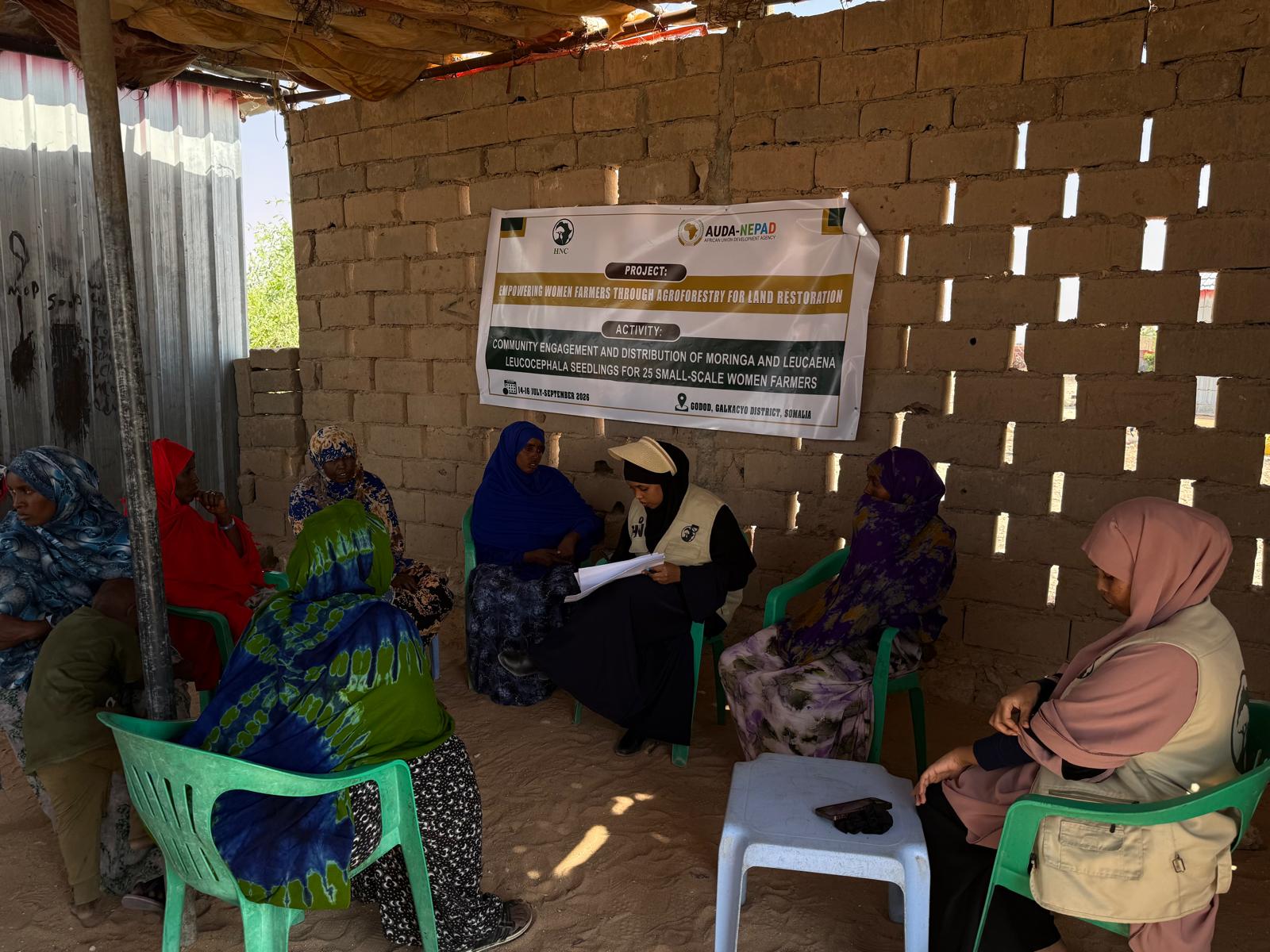
Horn Nature Conservation Distributes 500 Agroforestry Seedlings to Women Farmers in Galkacyo to Advance Landscape Restoration
HNC, with the Ministry of Environment and Climate Change of Puntland and AUDA-NEPAD AFR100 support, distributed 500 Moringa and Le...
Read more
How to Reduce Water Waste in Agriculture: Practical Strategies
Learn how to reduce water waste in agriculture with practical strategies including drip irrigation, soil moisture monitoring, mulc...
Read more
Water Conservation Methods in Agriculture: 10 Effective Ways to Save Water
Discover 10 practical water conservation methods in agriculture, from drip irrigation to rainwater harvesting, to cut water waste,...
Read more