
The Garacad Mangrove Restoration & Coastal Resilience Programme is an innovative pilot initiative that will introduce and test community-led mangrove restoration and coastal resilience approaches along 30 kilometers of coastline in Garacad and Dhinawado, Jariiban District, Puntland, Somalia.
Summary
The Garacad Mangrove Restoration & Coastal Resilience Programme is an innovative pilot initiative that will introduce and test community-led mangrove restoration and coastal resilience approaches along 30 kilometers of coastline in Garacad and Dhinawado, Jariiban District, Puntland, Somalia.
Implemented by Horn Nature Conservation (HNC), the 18-month pilot will establish two community-managed mangrove nurseries, plant 250,000 mangrove trees across approximately 85 hectares of suitable coastal areas, stabilize sand dunes, and build local capacity for long-term ecosystem stewardship. The project aims to strengthen climate resilience, improve biodiversity, protect coastal communities from environmental degradation, and create sustainable livelihood opportunities for approximately 3,500 people.
As the first large-scale community-driven mangrove pilot along the Mudug coastline, the programme will generate critical ecological, social, and technical evidence needed to guide future restoration efforts across the wider 120-kilometer coastline.
Challenge
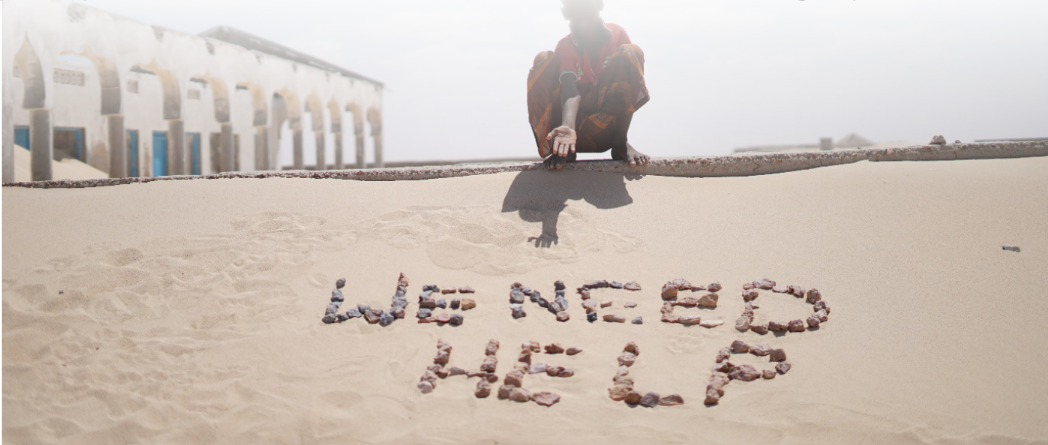
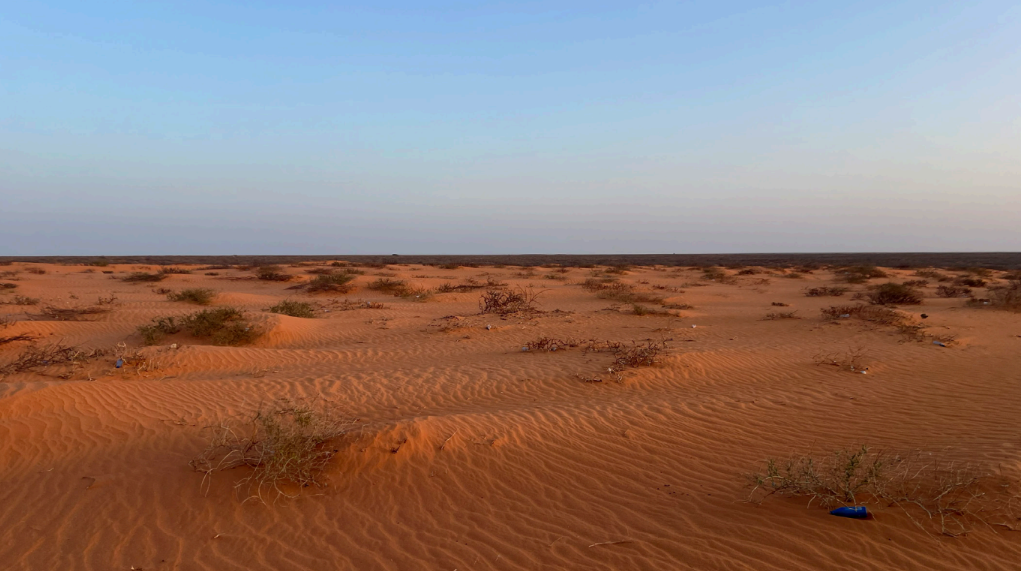
The coastal communities of Garacad and Dhinawado are facing increasing environmental and economic pressures caused by climate change, desertification, coastal erosion, biodiversity loss, and declining fisheries productivity.
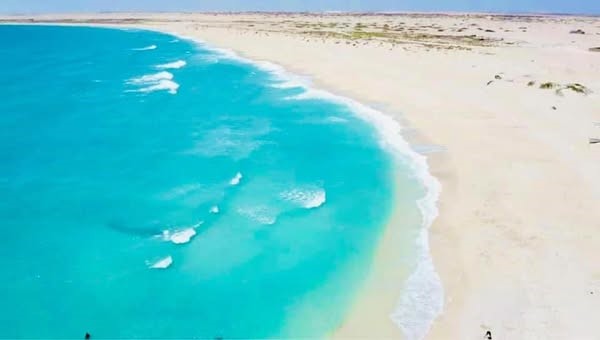
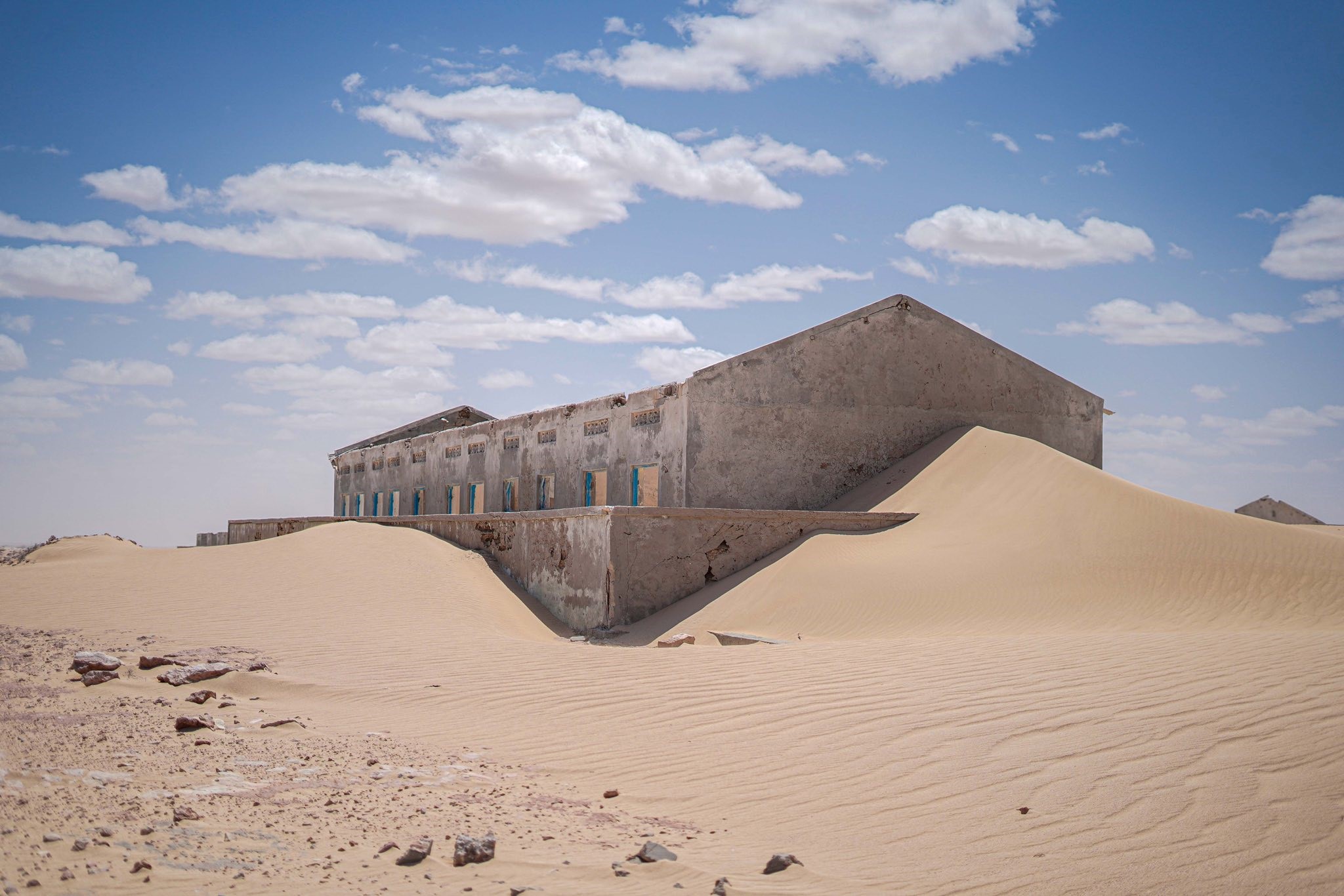
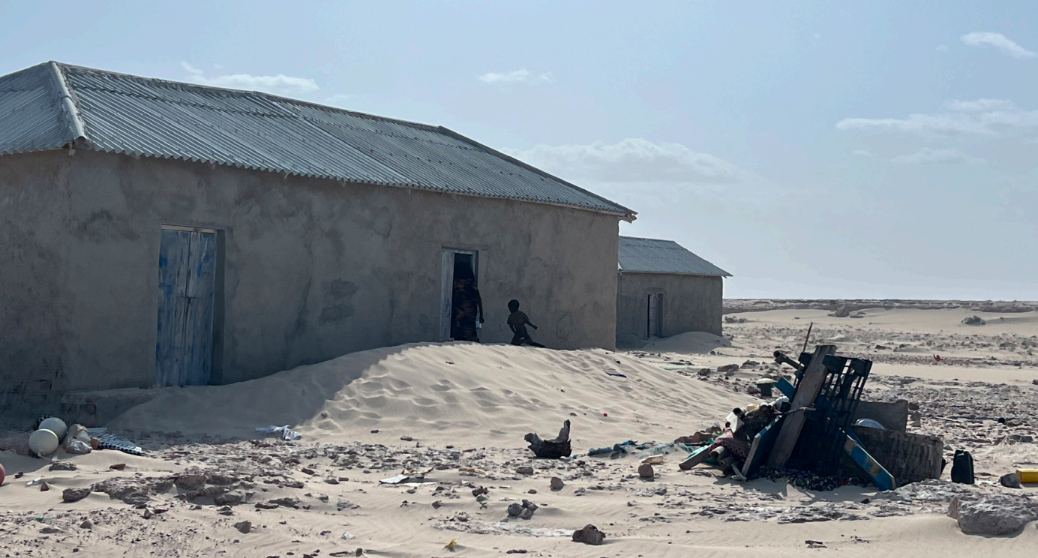
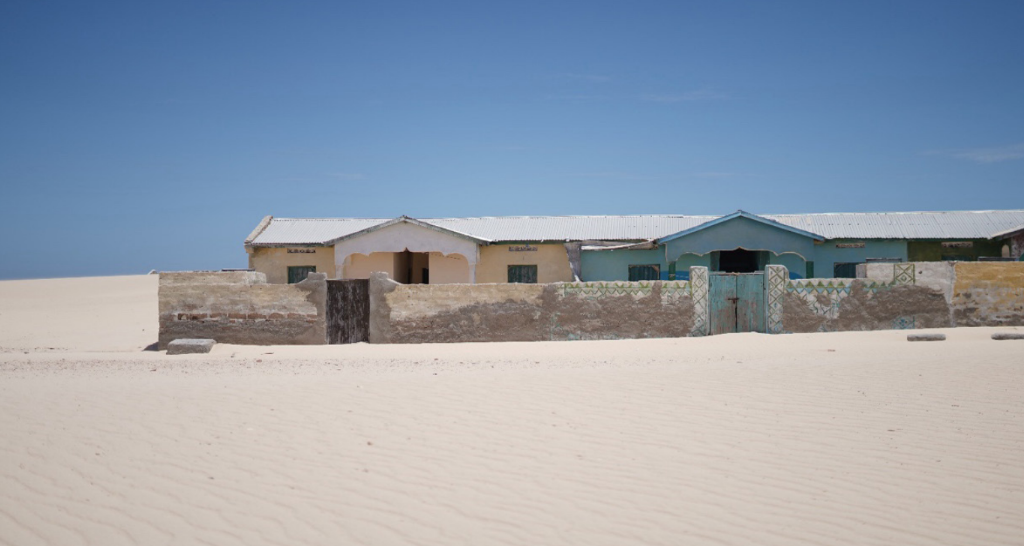
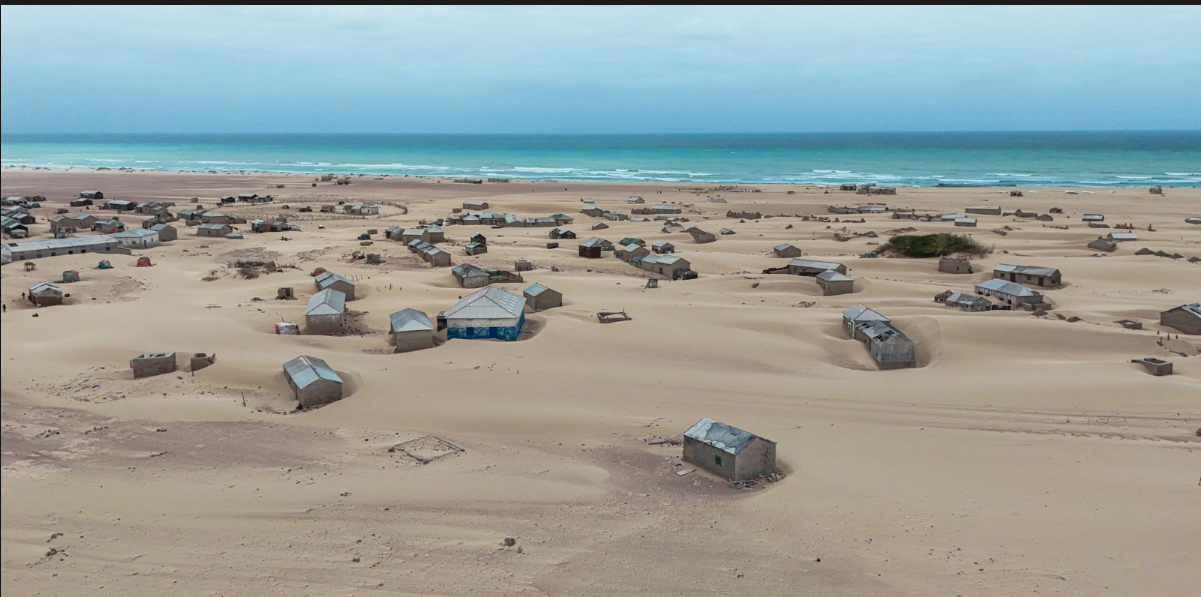
Along much of the Mudug coastline, natural coastal vegetation has been severely degraded, reducing the area's ability to withstand environmental shocks. Shoreline erosion is becoming more visible, sand dunes are advancing toward settlements and productive land, and fish populations are declining due to the deterioration of critical coastal habitats.
These environmental changes are creating serious consequences for local communities:
- Reduced fish catches and declining household incomes.
- Increased vulnerability to coastal erosion and extreme weather events.
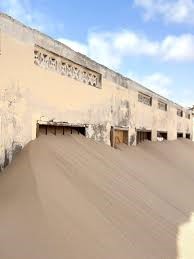
- Expansion of sand dunes threatening homes, infrastructure, and grazing areas.
- Loss of biodiversity and ecosystem services.
- Limited employment opportunities, particularly for women and youth.
- Increased vulnerability to climate change and environmental shocks.
Despite these challenges, there has been limited investment in testing practical, community-led ecosystem restoration models that can be adapted and replicated across Somalia's central coastline.
Solution
The Garacad Mangrove Restoration & Coastal Resilience Programme will introduce a pilot model that combines ecosystem restoration, climate adaptation, community participation, and livelihood development.
Key activities include:
- Establishing two community-managed mangrove nurseries in Garacad and Dhinawado.
- Introducing and planting 250,000 mangrove trees across suitable coastal sites along 30 kilometers of coastline.
- Conducting baseline ecological assessments, including soil, salinity, tidal, and species suitability analyses.
- Implementing sand dune stabilization and land rehabilitation measures at high-risk locations.
- Training and deploying 20 agro-ecological mobilizers, with at least 50% women and youth participation.
- Establishing Community Coastal Management Committees to guide local stewardship and governance.
- Providing community training on climate adaptation, biodiversity conservation, sustainable fisheries, and ecosystem management.
- Utilizing GPS and satellite-based monitoring systems to track ecological recovery and support future blue carbon opportunities.
Through these interventions, the project will demonstrate whether mangrove-based coastal restoration can become a viable and scalable climate adaptation solution for Somalia's central coastline.
Long-Term Impact
This pilot programme is designed to generate impacts that extend far beyond its initial implementation area.
If successful, the project will demonstrate the ecological, social, and economic benefits of community-led mangrove restoration and provide a practical model for expansion along the wider Mudug coastline. The programme will generate valuable evidence on species suitability, survival rates, community engagement approaches, and ecosystem recovery under local conditions.
Expected long-term benefits include:
- Improved coastal protection against erosion and environmental degradation.
- Enhanced biodiversity and healthier coastal ecosystems.
- Improved fish breeding habitats that support sustainable fisheries and local livelihoods.
- Increased climate resilience for vulnerable coastal communities.
- Reduced dune encroachment on settlements and productive land.
- New livelihood and employment opportunities for women and youth.
- Strengthened local environmental governance and community stewardship.
- Creation of a foundation for future blue carbon initiatives and climate finance opportunities.
Most importantly, this pilot will provide the knowledge, experience, and evidence required to support the long-term vision of introducing and expanding mangrove restoration efforts across the entire 120-kilometer Mudug coastline. Through this approach, the programme has the potential to become a transformative model for coastal resilience, biodiversity conservation, and climate adaptation in Somalia.